


For decades, skincare and hygiene products have been marketed around one central promise: kill germs. From antibacterial soaps to silver-infused creams and peppermint-heavy cleansers, consumers have been taught that eliminating bacteria is the key to healthy skin.
But modern microbiome science tells a very different story.
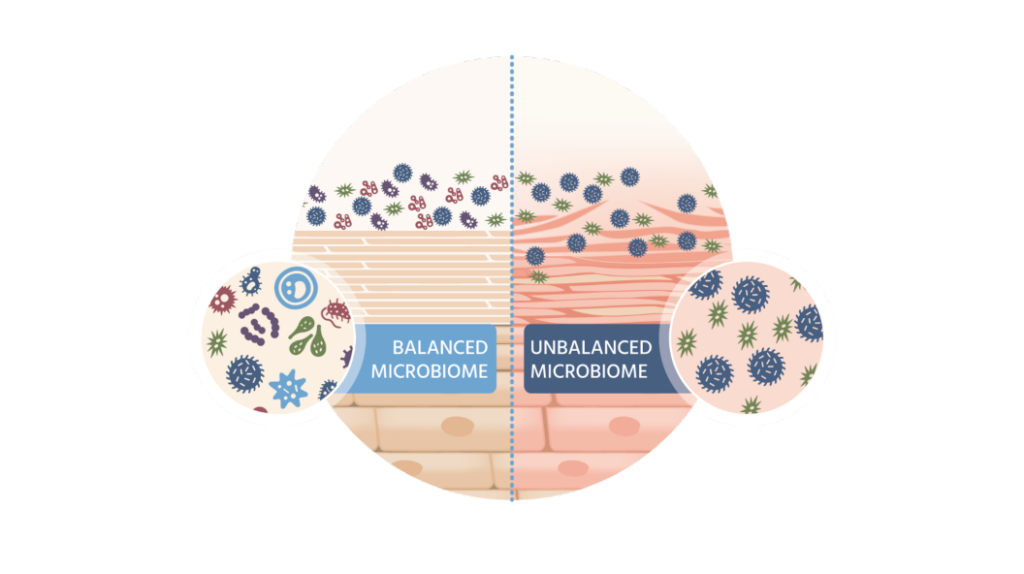
Not all bacteria are harmful. In fact, your skin depends on billions of beneficial microorganisms to stay healthy, balanced, hydrated, and resilient. When we aggressively destroy these microbes, we also damage the delicate ecosystem that protects our skin every single day.
Understanding the Skin Microbiome
The skin microbiome is the community of bacteria, fungi, viruses, and other microorganisms that naturally live on the surface of the skin. These microbes form a protective barrier that works with the immune system to defend against pathogens, reduce inflammation, and maintain skin balance.
A healthy microbiome helps to:
- Protect against harmful bacteria
- Support skin barrier function
- Reduce irritation and inflammation
- Maintain hydration
- Balance oil production
- Assist in wound healing
- Prevent overgrowth of problematic microbes
Every person’s microbiome is unique, much like a fingerprint. The goal should not be sterilisation, but balance.
The Problem with “Antibacterial Everything”
Many modern skincare and wellness products contain ingredients designed to kill bacteria broadly, without distinguishing between harmful and beneficial strains.
This creates a major problem: when good bacteria are destroyed, harmful microbes often gain an advantage.
Think of the skin microbiome as a rainforest ecosystem. If you remove large portions of healthy plant life, invasive species quickly move in. The same principle applies to the skin.
Overuse of antibacterial products can contribute to:
- Dryness and irritation
- Increased skin sensitivity
- Impaired barrier function
- Acne flare-ups
- Eczema and dermatitis aggravation
- Slower recovery from inflammation
- Greater susceptibility to infections
Healthy Skin Is Not Sterile Skin
One of the biggest misconceptions in modern skincare is the belief that cleaner means healthier.
In reality, healthy skin is biologically active and microbiologically diverse.
Beneficial bacteria compete with harmful organisms for space and nutrients, helping prevent infections naturally. Some microbes even produce antimicrobial peptides that defend the skin more effectively than harsh cleansers.
When we repeatedly strip the skin using aggressive antibacterial ingredients, we interfere with this natural defence system.
Microbiome-friendly approaches include:
Gentle Cleansing
Use non-stripping cleansers that clean the skin without aggressively sterilising it.
Avoid Overuse of Antibacterials
Reserve antibacterial products for situations where they are genuinely necessary.
Support Barrier Function
Healthy skin barriers help beneficial microbes thrive.
Use Balanced Formulations
Products should work with the skin ecosystem, not against it.
Minimise Irritating Ingredients
Excessive essential oils, alcohols, and harsh preservatives may disrupt microbial diversity.
The Future of Skincare Is Microbiome-Aware
Scientific understanding of the skin microbiome is rapidly evolving, and it is changing how we think about skincare, wellness, and hygiene. At Odegon, we believe skincare and odour control should work in harmony with the body. That is why Odegon’s natural odour absorbing patch is designed to neutralise odour without using harsh antibacterial agents that disrupt the skin microbiome. Instead of killing the beneficial bacteria that help protect and balance the skin, Odegon works by naturally absorbing odour compounds while allowing the skin’s healthy microbial ecosystem to remain intact. By supporting rather than stripping the microbiome, Odegon offers a gentler, more biologically respectful approach to personal care