


Every year, National Uniform Day provides an opportunity to celebrate the millions of people who wear a uniform as part of their working lives, as well as the designers, manufacturers and suppliers who help create them.
From airline cabin crew and banking professionals to healthcare workers, hospitality teams, emergency services, transport workers and tradespeople, uniforms are an everyday sight. Yet we rarely stop to think about just how important they are.
More Than Just Clothing
A good uniform does far more than identify where someone works.
For businesses and organisations, uniforms help create a recognisable identity and present a consistent, professional image. They can communicate trust, authority and expertise before a conversation has even begun.
For employees, a uniform can create a sense of belonging and being part of a wider team. In many professions, putting on a uniform signifies the start of the working day and the responsibilities that come with the role.
Uniforms Have Come a Long Way
Today’s uniforms need to achieve much more than simply looking smart.
Employees may spend long hours wearing the same garments, sometimes in physically demanding or warm environments. As a result, modern uniform design increasingly considers comfort, breathability, durability, freedom of movement and garment performance.
Fabric technology has also transformed what is possible. Moisture management, stretch materials, lightweight fabrics and odour-control technologies can all be incorporated into garments to improve the experience of the person wearing them.
Sustainability is becoming increasingly important too. Businesses are looking closely at how uniforms are manufactured, how long garments remain usable and what happens to them at the end of their working life.
The challenge for the uniform industry is therefore an interesting one: creating clothing that looks professional while also being comfortable, practical, durable and suitable for the realities of a modern working day.
Uniforms Through the Years
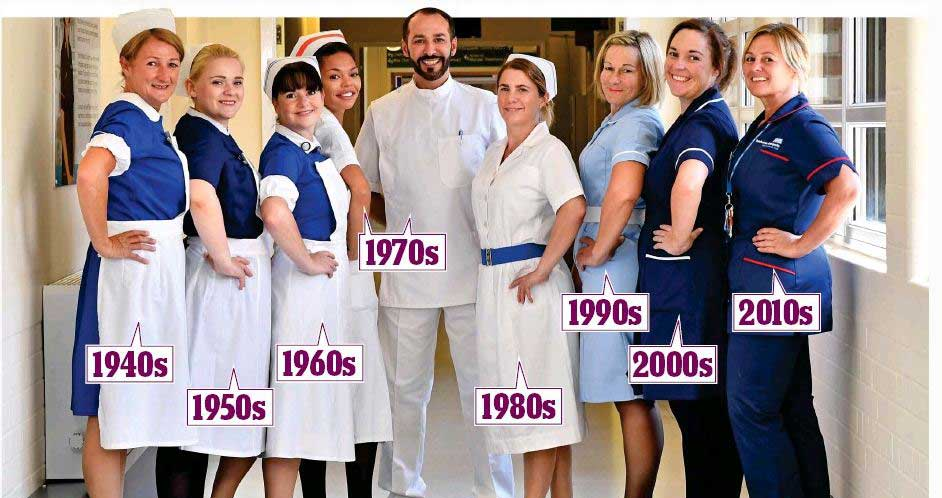
Uniforms provide a fascinating snapshot of social and workplace history. What employees wear has continually evolved alongside changes in fashion, technology, working conditions and attitudes towards comfort and inclusivity.
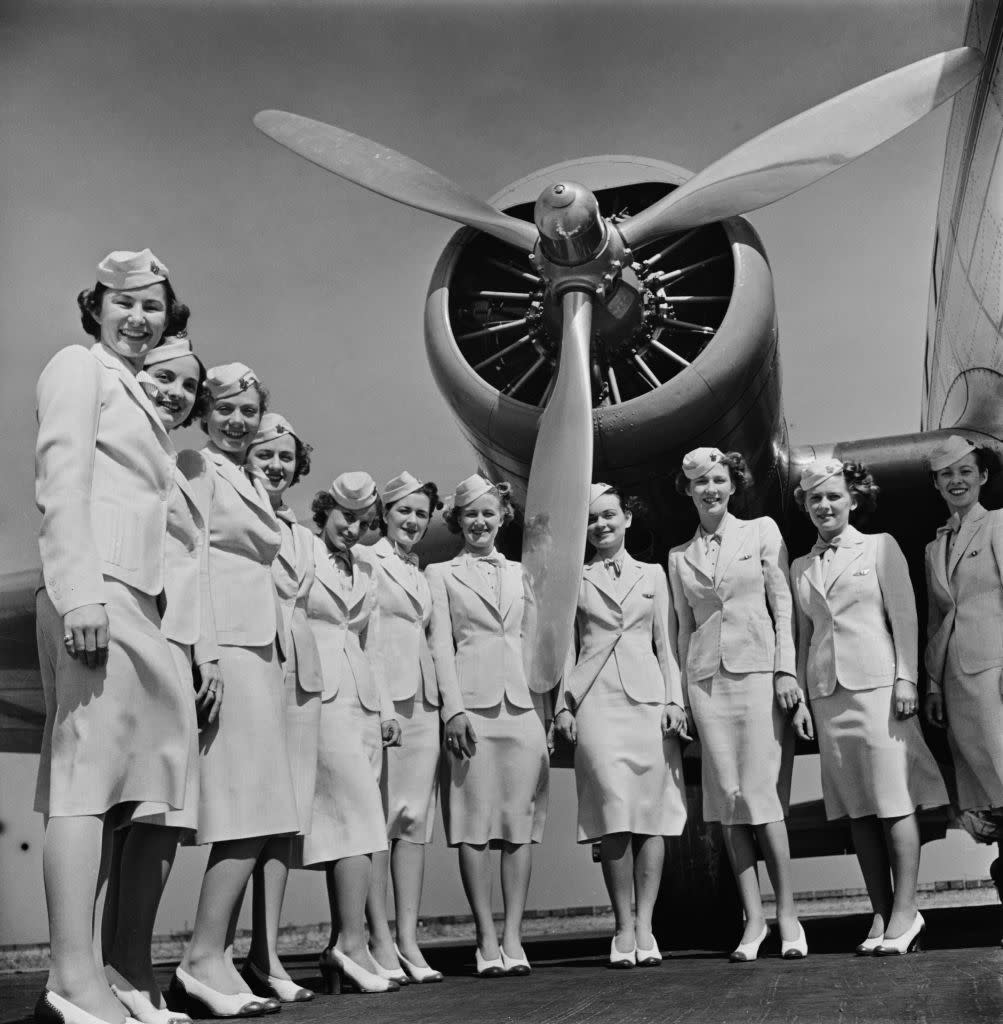
1930s–1940s – Practical and Formal
Early uniforms were generally structured, conservative and highly practical. In aviation, for example, early female cabin crew uniforms had strong nursing and military influences, with heavy fabrics, hats and below-the-knee skirts.
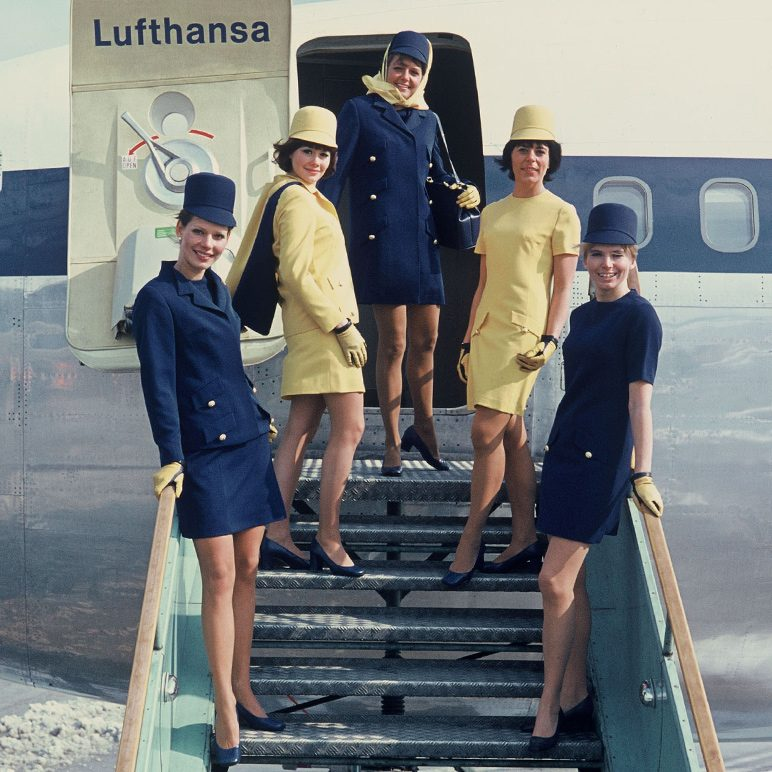
1950s–1970s – Fashion Takes Centre Stage
As workplaces and society changed, uniforms became more colourful and fashion-led. The airline industry provides some of the most striking examples: the 1960s and 70s saw bold colours, shorter hemlines, patterns and designs from internationally renowned fashion designers.
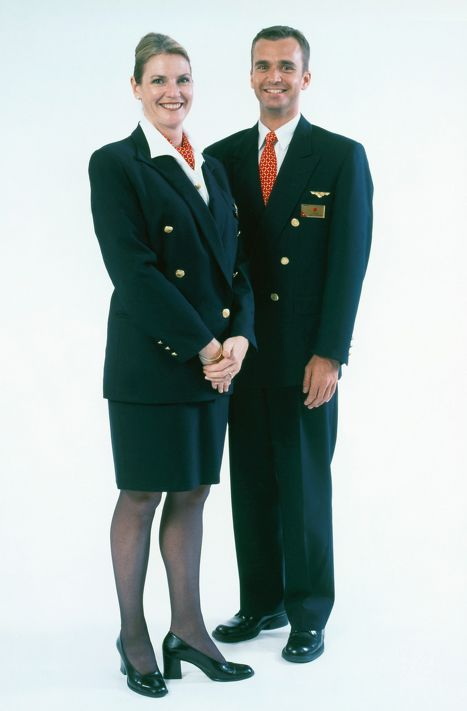
1980s–1990s – The Corporate Look
Uniforms became increasingly associated with corporate identity. Tailored jackets, shirts, ties and coordinated colours helped businesses create a consistent and recognisable appearance. Banking uniforms also evolved during this period; for example, RBS introduced a formal branch-staff uniform in 1989 and later expanded its corporate wardrobe to offer greater choice and inclusivity.
2000s–Today – Comfort, Performance and Identity
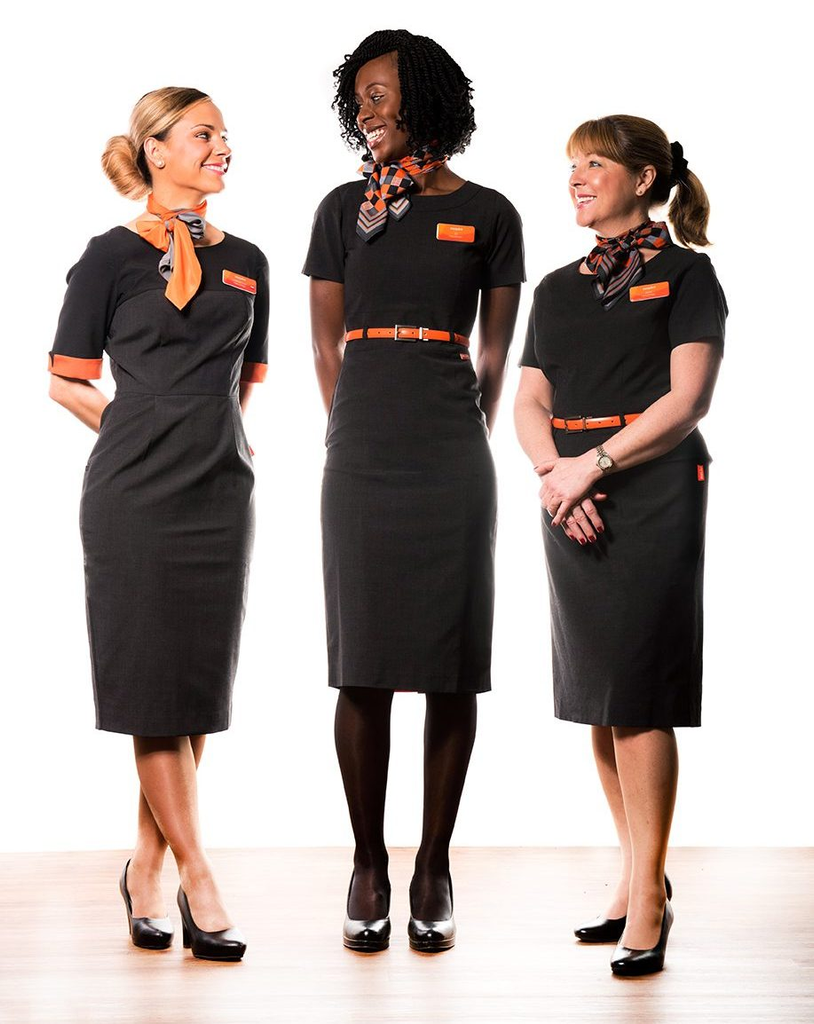
Modern uniform design has to balance appearance with the realities of the job. Comfort, movement, durability, inclusivity and performance are increasingly important alongside a strong brand identity. Airline uniforms remain a particularly visible example of this evolution.
A Small Innovation Making a Difference
Odegon is proud to have played a part in the development of performance uniforms over the years.
Our odour-absorbing fabric technology has been incorporated into uniforms used within a variety of industries, including airline and banking uniforms, where employees may wear the same garments throughout long working days.
Odegon technology is just one example of how something largely invisible to the person looking at a uniform can help improve its performance for the person actually wearing it.
Celebrating Everyone in Uniform
National Uniform Day is ultimately about recognising the people behind the uniform.
Whether someone is flying passengers around the world, caring for patients, designing uniforms, manufacturing uniforms, their uniform is part of their working identity!
Happy National Uniform Day from everyone at Odegon Technologies.